
When your client is spending $60–$150 an hour in your massage centre, he or she deserves the best massage therapy there is. But how do you provide it? Mastering the different techniques of massage is the key to a successful career as a massage therapist — and to massage like a professional, you need to follow certain steps. For your ease, we’ve set out the tips you can apply to perform excellently in your field. Read on to know what they are.
Training
Continued training is what perfects a therapist’s skills. In most massage schools, the practice and instruction sessions last for approximately 700 hours — but completing the course is not the moment to stop learning. Keep updating yourself on your chosen skills through further courses and ongoing development, year after year.
While learning techniques thoroughly, working on your stamina matters just as much, so that the quality of your massage holds from the first minute to the last. And keep improving your manual dexterity, so every stroke lands correctly and effectively. (See Lesson 3, on videos.)
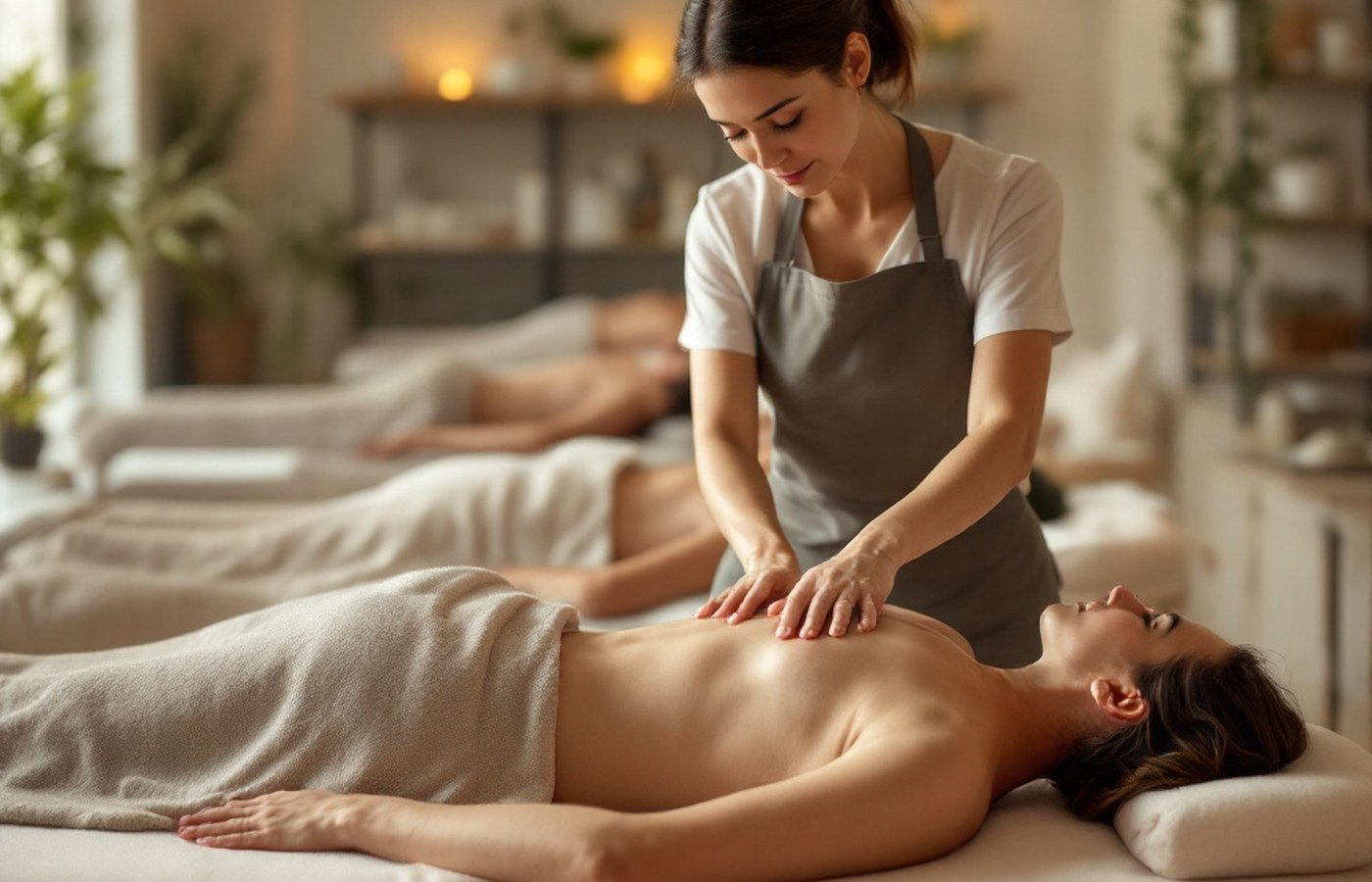
Focus on the client
Once a client approaches you, forget what’s happening in the outside world. Understanding their emotional and physical state is what lets you choose the right massage technique. Be careful with your register, too: both muteness and chattiness can make a client feel you’re not fully involved in the session. A friendly, easy way of communicating is what creates a genuinely comfortable ambience.
Watch videos
Many videos on how to massage like a professional are available online. They educate beginners on sharpening their massaging abilities with step-by-step guides and relevant pictures. In your spare time, watch them — it’s the cheapest continuing education there is.
Use of body weight
You may have heard a client ask: “Why do you stop after massaging for such a short time?” You know the answer — your arms and hands start to ache a few minutes into the session, from the exhaustion of applying stroke after stroke.
Correct positioning is what allows your body to remain active throughout an entire session. Here, grip matters far less than gravity and stance: let your body weight do the pressing, not your forearms.
Don’t underestimate the power of oil
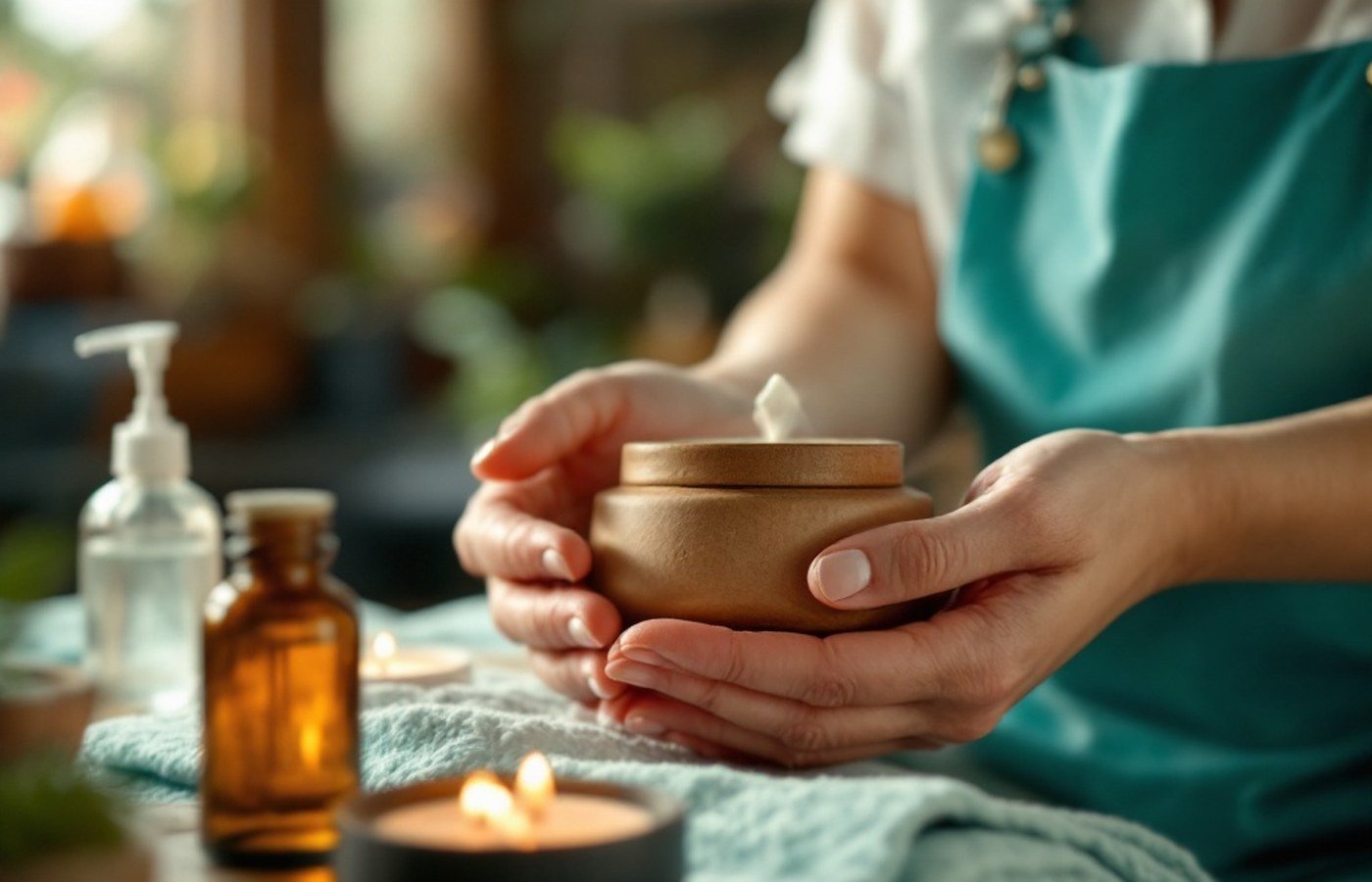
Oil is used in massage therapy for good reason. Sometimes oils relax and calm; sometimes they rejuvenate and invigorate; and beyond that, massage oils relieve muscle pain. As a therapist, it’s your duty to determine which oil suits which client — lavender oil, for instance, belongs mainly in a de-stressing therapy. Each oil has its own usage, so make certain your knowledge of their different utilities runs deep.

A soft fist for neck massaging
Apply gentle pressure to your client’s left shoulder with the base of your hand. Take your hand back and forth over the neck, loosening your fist as you go. Squeeze the muscles of the shoulder and the back gently — then, without stopping, repeat the process on the right shoulder. Continue several times, until your client feels the relaxation set in.
Massaging the back
Use your thumbs to rub the client’s back in a circular motion, working upward and downward mainly along the spine to relax the muscles. As you bend down, have your client lean forward. One rule is absolute: never apply pressure directly on the spine itself, as it can produce negative results afterwards. Instead, use your body weight to create gentle, even pressure across the back.
Avoid pushing hard
Depending on your client’s requirement, you may need to increase the intensity of the pressure you apply. The pressure should be exactly enough that you can feel the movement of the muscle below the skin — enough to identify knots and limited mobility. With correctly learned techniques you can apply the right level of pressure to any particular area; a skilled therapist knows how, and when, to move into deep tissue work.
Every day, new techniques are introduced in the massaging world. To excel in this field, knowing the outcomes of the different massages is crucial.