Quite like the fashion industry, the world of massage keeps evolving — and in such a situation, you need to keep yourself updated with the latest trends. The top trends of the moment are listed below.
Combination of techniques
When it comes to massage, there’s no one-size-fits-all solution: the requirements and reactions of clients differ from one to another. As a result, massage therapists often combine different massaging methods within a single session of treatment. To treat a pain, for example, professionals will draw on a whole range of techniques, including acupressure and acupuncture.
Adding oils in aromatherapy
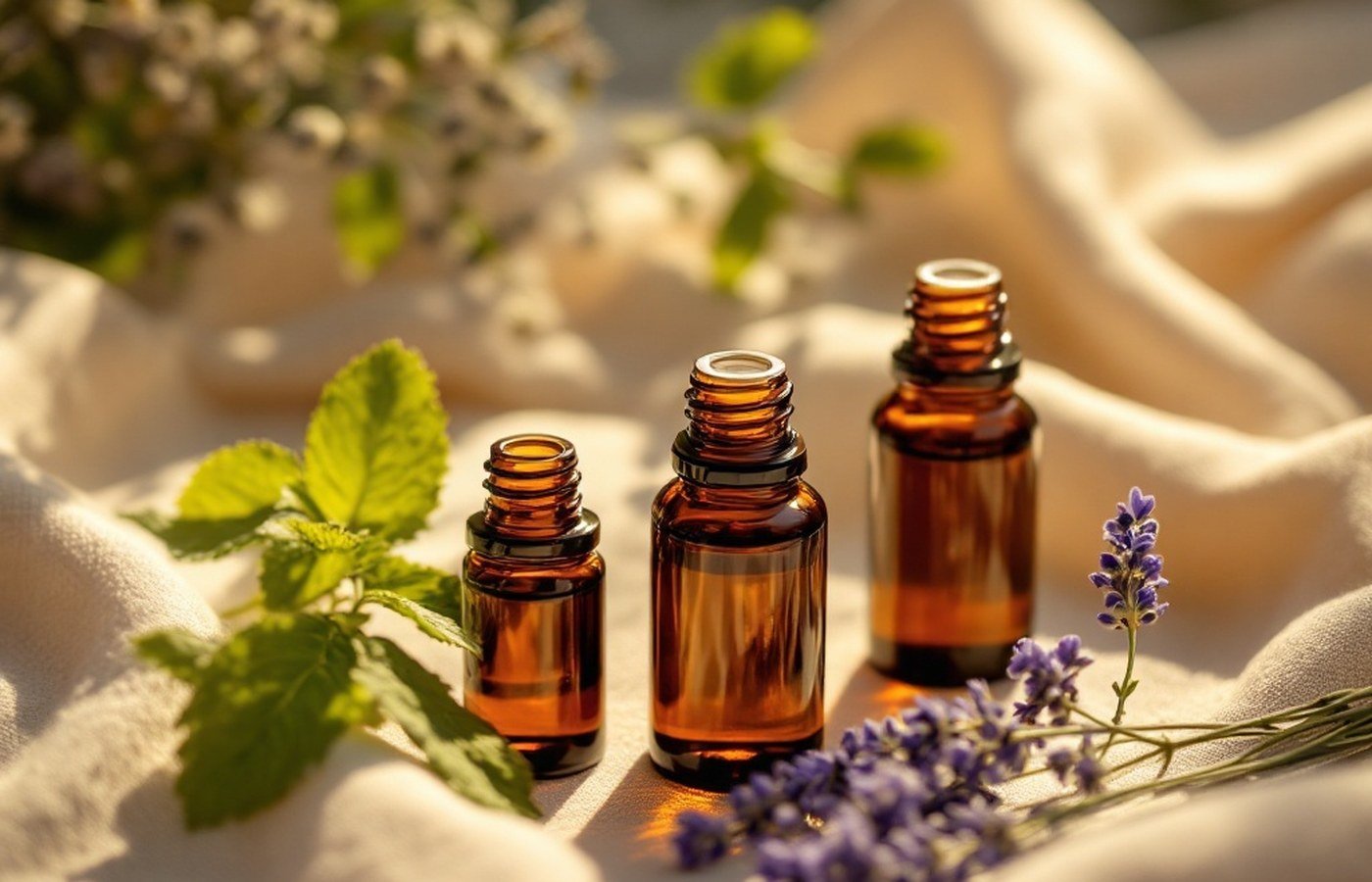
The use of essential oils in massage ensures both physical and mental wellness. Whereas peppermint oil rejuvenates the body, lavender oil is used mainly to relax the muscles. Before your session, consult your therapist about the mood you want to be in afterwards — a well-chosen therapist knows exactly which oil type to use. The right oil will keep you refreshed, or relaxed, throughout the day.
Watsu
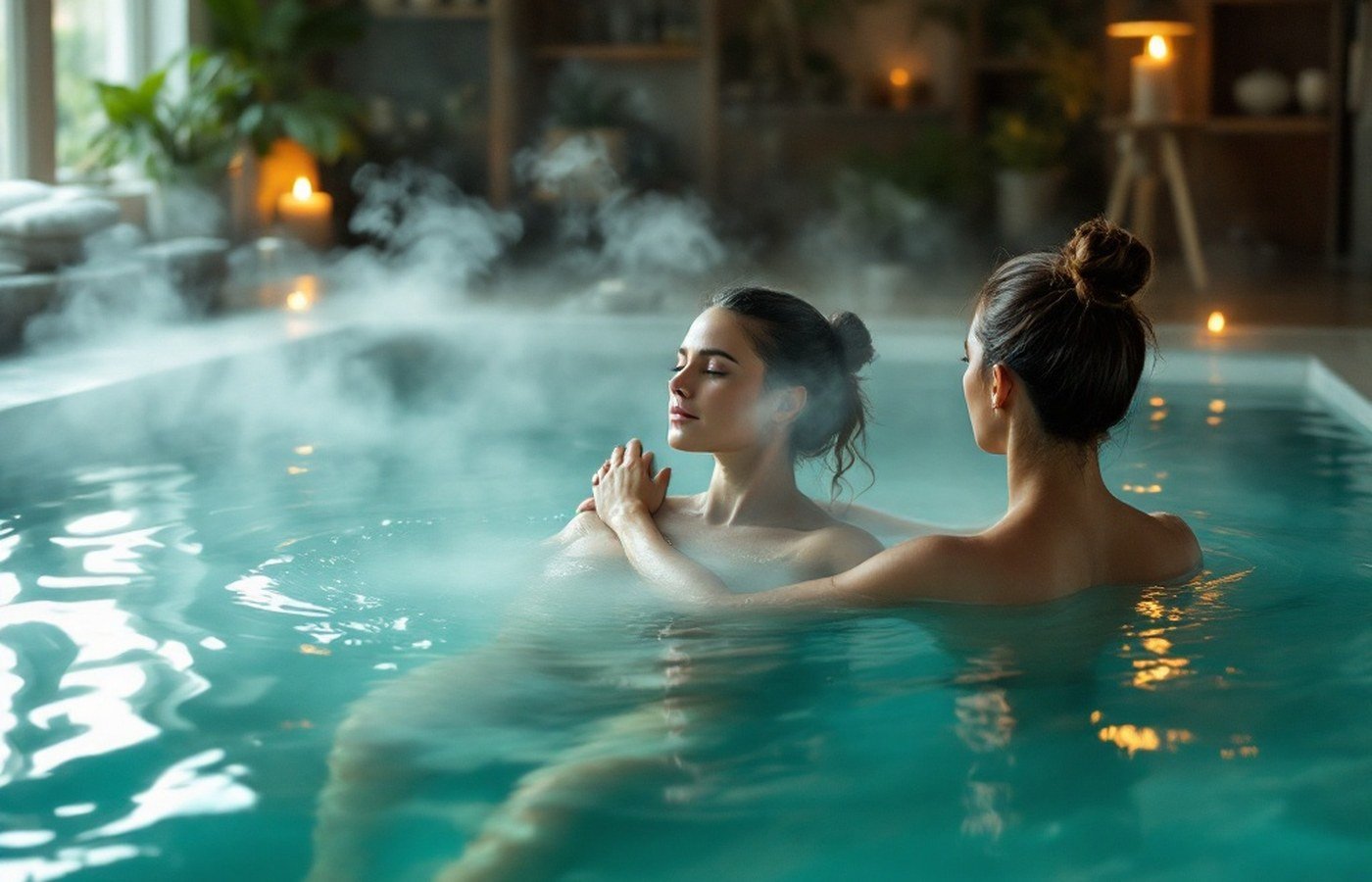
Watsu is carried out in warm water, mixing aspects of dance, shiatsu, joint mobilization and muscle stretching. The client stays floating on the water while the therapist performs the massaging strokes; the warmth of the water creates a sense of absolute calmness. Little wonder it’s becoming popular in so many spas.
TCM massage
Traditional massages are becoming famous worldwide for their effectiveness. In this treatment session, ointments, herbal essences and oils are all brought in — to raise the level of energy and to reduce stress.
Neuro-muscular therapy
For relieving a client of muscle or lower-back pain, neuro-muscular therapy can do wonders. Using elbows, knuckles and fingers, the therapist works varying levels of pressure into the muscle spasms of the client’s body. Once the muscles relax under this method, they begin to release lactic acid — and during that release, the muscles receive a sufficient supply of blood and oxygen.
Deep tissue massage
Like its Swedish counterpart, deep tissue massage heals muscle tension — count on it to de-stress. In comparison to Swedish massage, however, it is a slower process involving more pressure, with the emphasis placed mainly on the tissues lying underneath the muscles and skin.
Massage for employees
Reputed companies such as S.C. Johnson of Racine have already started providing massage therapy to their employees. Johnson’s CEO believes this in-house massaging has, over the years, played an undeniable role in keeping employees active and happy — and in this way, their productivity has increased.
Many other companies have also adopted in-house massage therapy for their employees.

Every year, a new massage technique comes to the forefront — and since these trends are anything but stable, make certain you keep your service up to date to satisfy the seekers.