Are you confused about which massage to choose? Making the right selection is significant, because different massage techniques treat different issues. When you land on the services page of a massage provider, a list of massage types will often appear before you — and ideally, you’d already know which one you’d like before booking the services of a trained therapist. For your ease, we’ve jotted down the more familiar and well-known techniques you can consider for complete body relaxation.
The journal · Techniques · a chooser's deck
Different massage techniques for complete body relaxation
Confused about which massage to choose? Six well-known techniques, dealt out card by card — so you know what you want before you book.
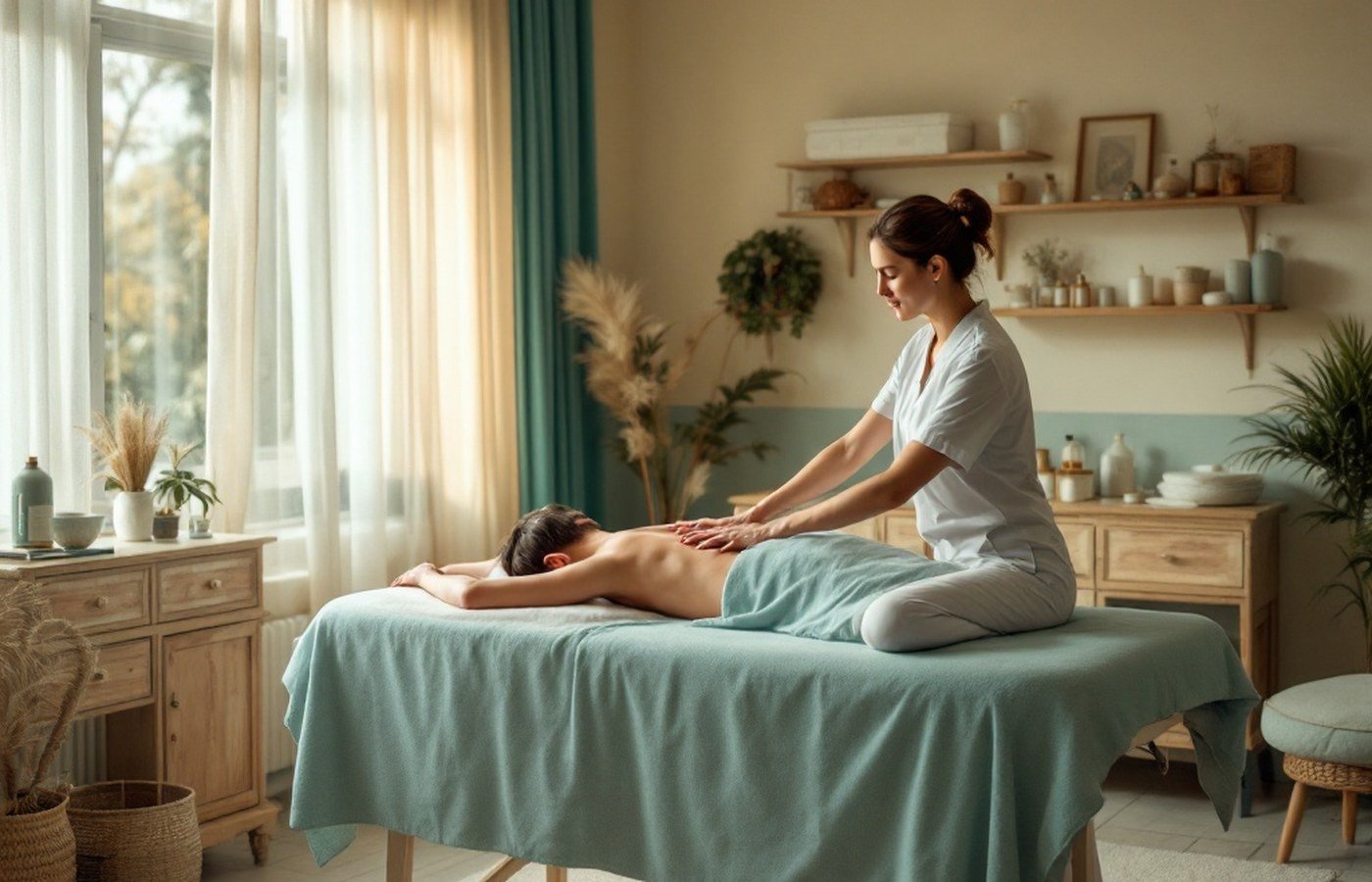
No. 1
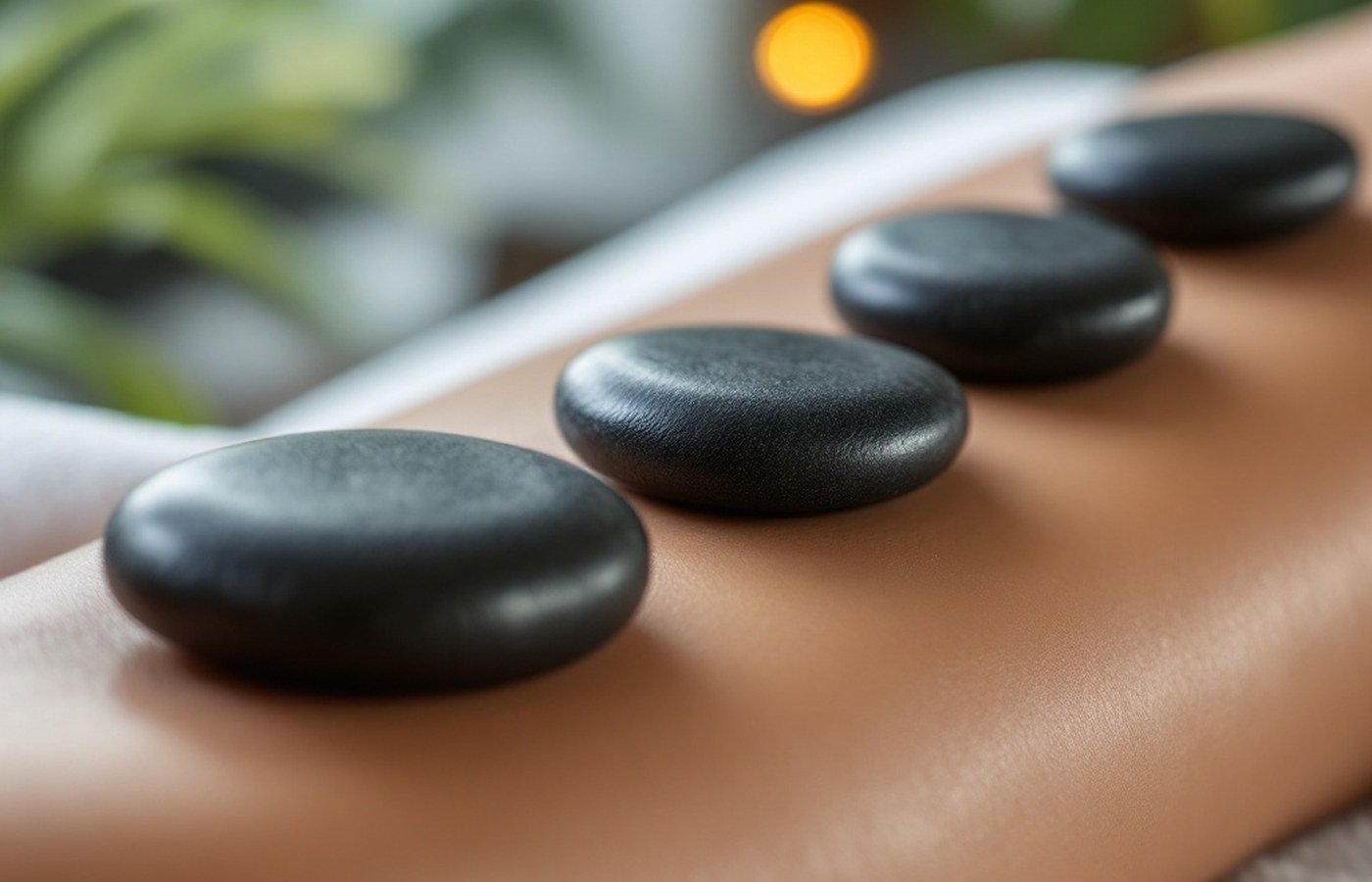
Hot stone massage
During hot stone massage, smooth and comfortably hot stones are placed on certain points of the body, and your therapist uses these stones in massaging you. Clients love it for its “aah to aha” effect: relaxing and soothing all over, the heat helps release the tension in your shoulders and back and reactivates the body’s muscles. Letting you drift into a nap, this therapy restores real peace of mind.
No. 2
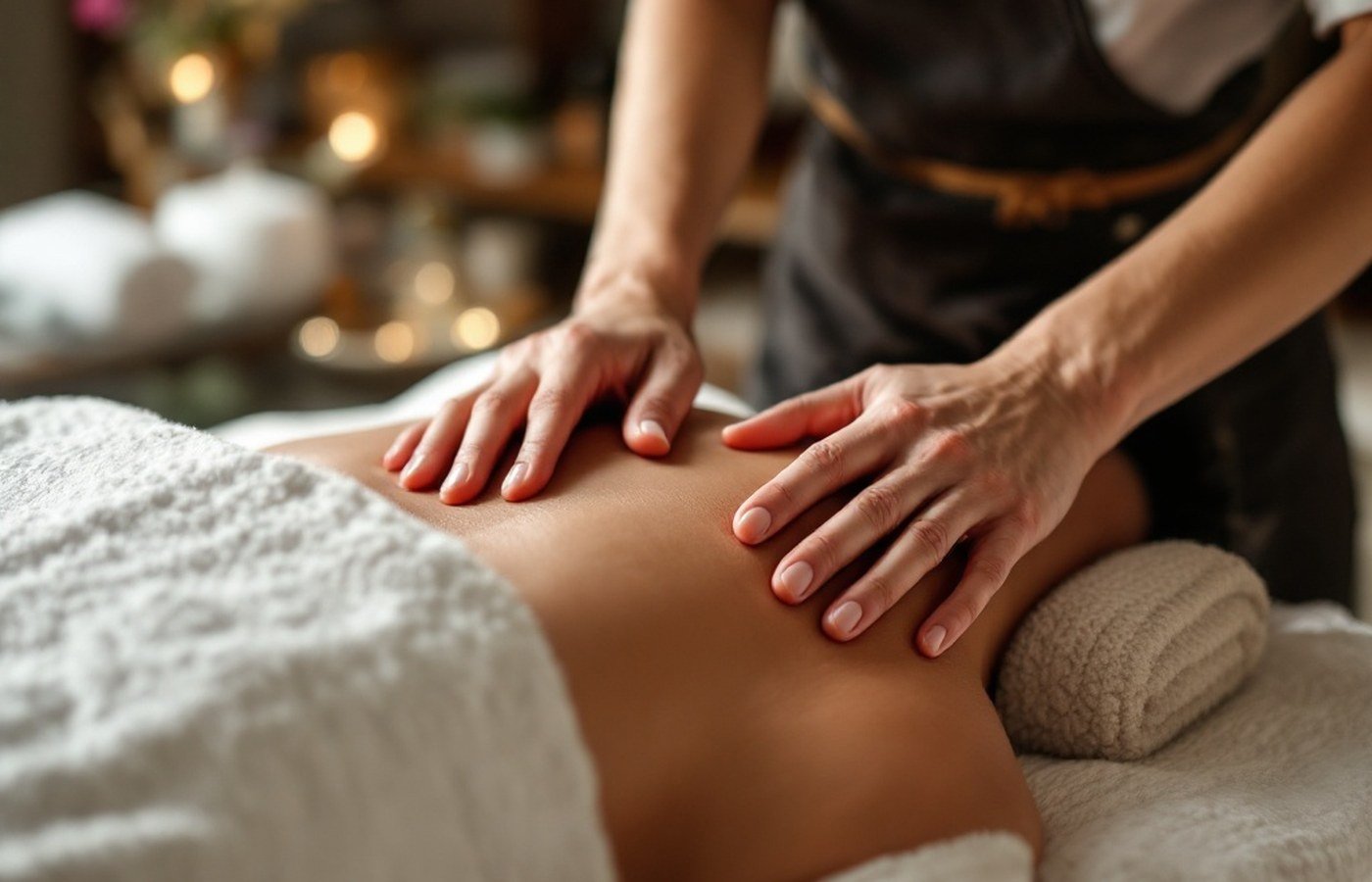
Swedish massage
One of the most common massage types, the Swedish combines basic movements into an outstanding experience. Sweeping strokes open and close the session; with knuckles or fingertips, the therapist creates friction by pressing certain spots; rolling and muscle-kneading complete the repertoire. If you’re opting for massage purely for relaxation, try it — you’ll get more than you expected. It’s also effective at releasing cramps and reducing overall stress levels.
No. 3
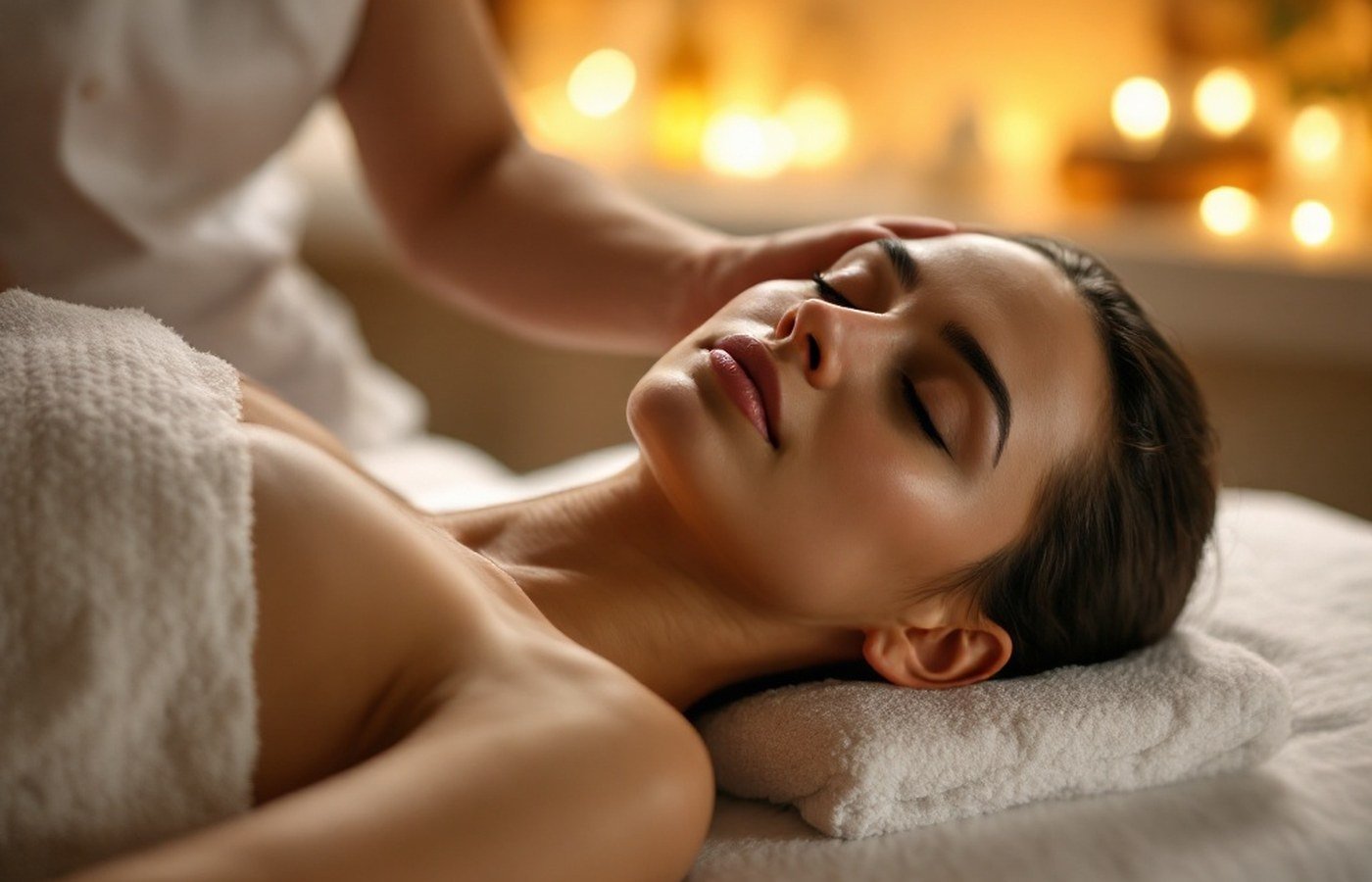
Deep tissue massage
Using friction and slow strokes, your therapist targets the connective tissue and the innermost layers of the muscles. It’s used mainly to relieve repetitive strain — but you can also enjoy whole-body relaxation during the session.
No. 4
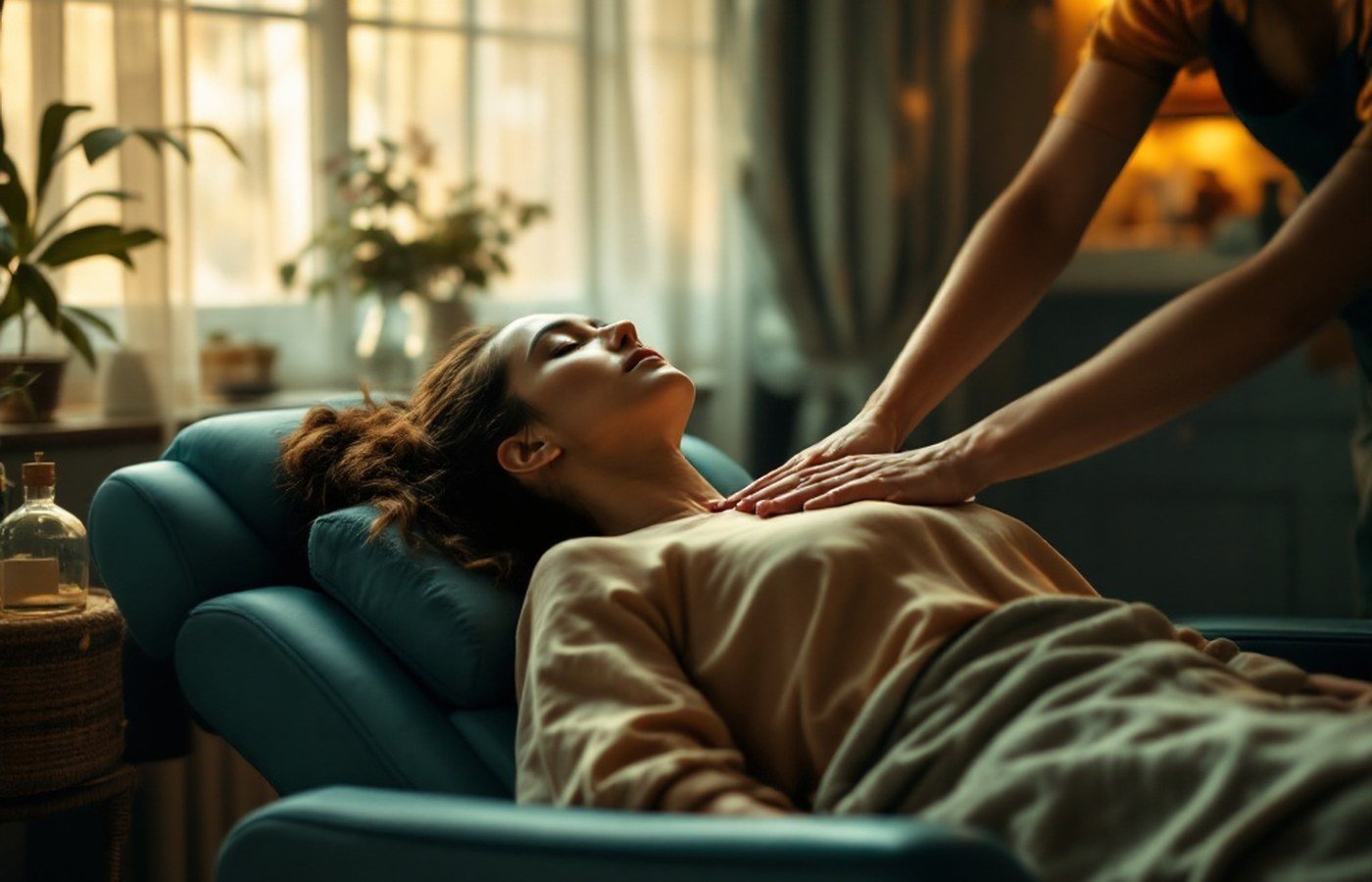
Chair massage
You may have come across the somewhat strange-looking chairs for this massage in shopping malls and parlours. Chair massage has you sit facing the chair — the reversed position lets your therapist gently work your shoulders, back and neck. The great perk: you don’t need to undress, and since no oil is involved, your skin won’t feel clammy after the session. For localised upper-body tension, this massage quickly and effectively hits the spot.
No. 5
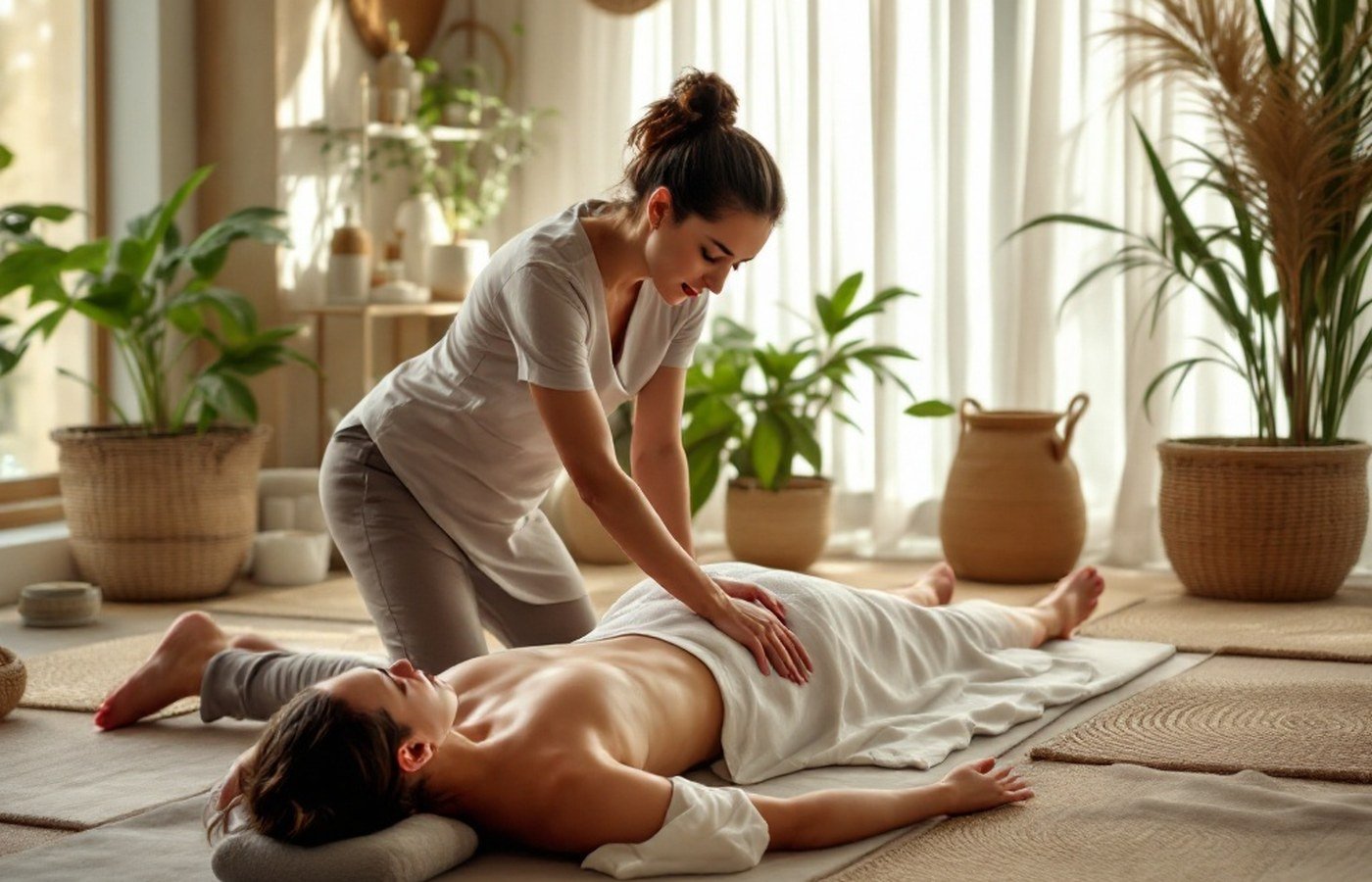
Thai massage
To unite the different energies of your body, your Thai massage therapist applies gentle pressure to certain points, with stretches and compressions woven into the process. Through stretching and moving, the therapist guides you through a series of postures — a yoga-like feeling without straining your body in any way. For overall relaxation it is more result-oriented than most massages: by the end of the session your stress level is lowered and your body’s flexibility improved.
No. 6
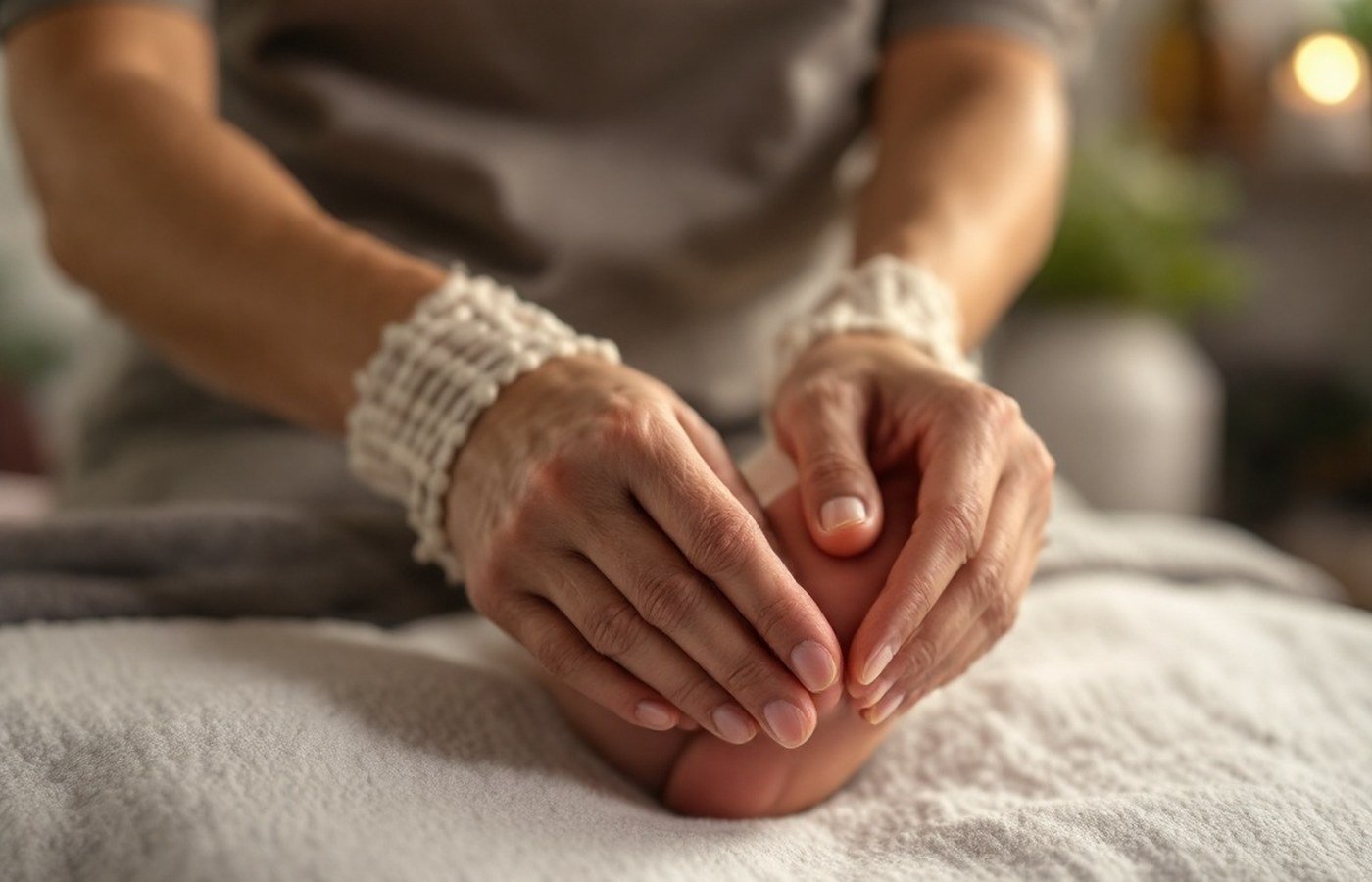
Reflexology
Reflexology’s common name is foot massage — and while the process is simpler than an actual foot massage, many therapists will combine the two. Gentle pressure is applied to specific points of your foot that correlate with particular systems and organs of the body. By targeting the body’s systems individually, that pressure is effective in curing physical issues such as lower back pain, eating disorders, nervous tension and many others. Working to release blockages of energy, it removes many kinds of body pain — taking body and mind alike to a state of complete relaxation.
Apart from the massages above, there are others — Shiatsu, sports massage, and many more.