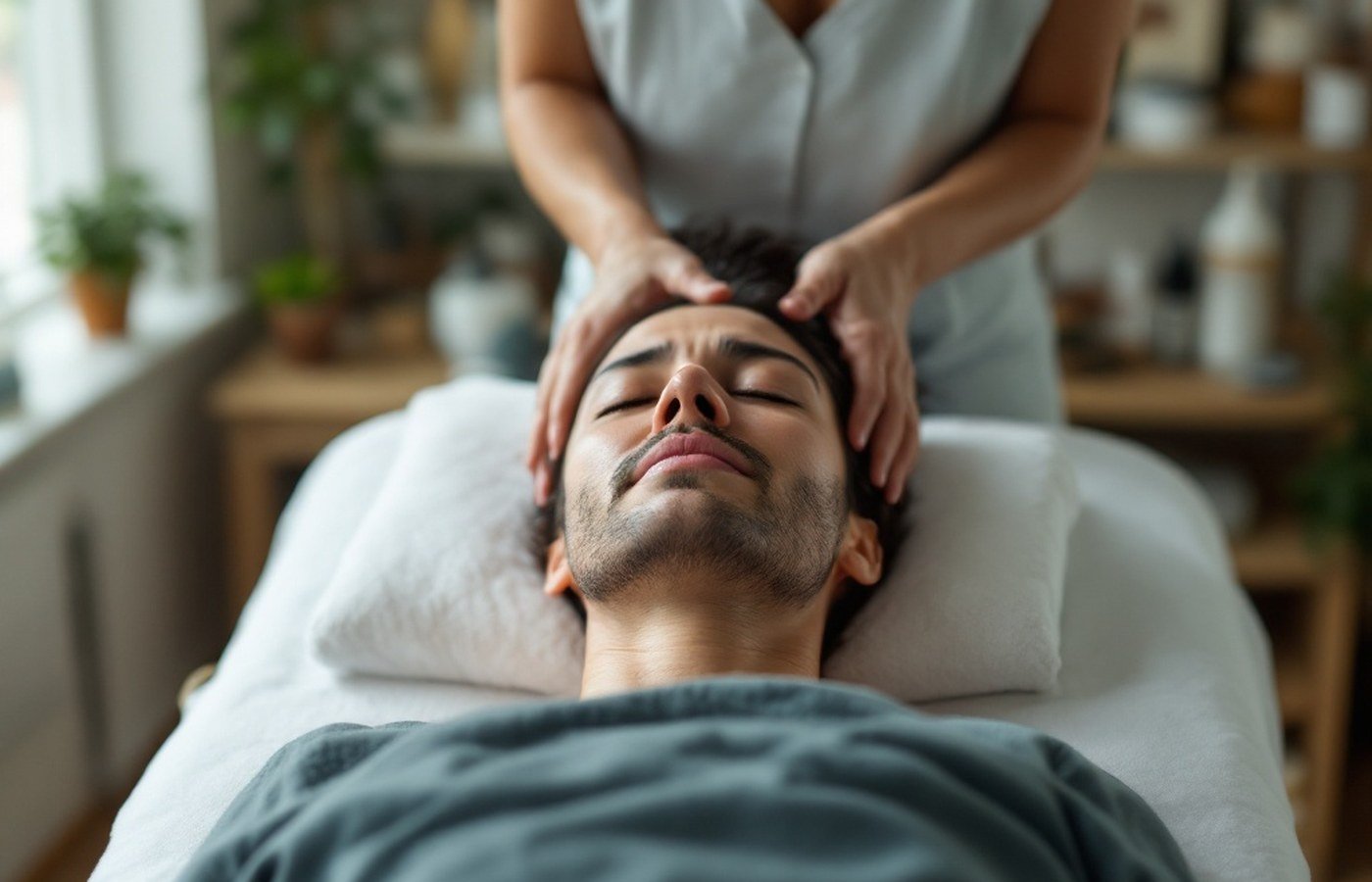
Today’s busy life contributes to a whole variety of mental health conditions — depression, anxiety, stress. According to the National Institute of Mental Health, in a given year just over 26% of Americans suffer from mental health disorders. Consequently, such people turn either to traditional medications or to massage therapy — and experts believe different types of massage can create miracles in treating psychically tired individuals. The benefits to mental health, and the negative conditions that massage can greatly alleviate, are as follows.
i.Stress related to work
Insomnia, headaches, shoulder tension and joint pains are, many times, symptoms of work-associated stress. In such situations massage therapy can help immensely: it reduces those pains while increasing your stamina at the same time. To improve productivity, business organizations might even hire massage therapists to provide employees with a stress-relieving technique.
ii.Promotes concentration
Undergoing massage therapy refreshes and calms the mind, which in turn raises your level of concentration. Your creativity is enhanced too, with a positive result on your overall productivity. Learning to identify the requirements of your own body is another advantage these therapies offer.
iii.Activates neurotransmitters
When neurotransmitters are active, stress-inducing hormones decrease. Researchers at the University of Miami School of Medicine declare that people who suffer from multiple mental disorders should have regular massage therapy, as it effectively heals numerous such disorders in a single patient. By boosting the feel-good neurotransmitters, it brings stress levels down.
iv.Ensures sound sleep
Not getting good sleep, day after day? Massage therapy can help there too. Daily sessions of massage relax both body and mind. The body heals and repairs itself during sleep, and improper sleep means poor concentration and fatigue throughout the day. Massage takes you into the same state of relaxation — and like sleep, that relaxation leaves a positive imprint on the mind, and consequently on the body.
v.Treats depression
Health Canada has reported that depressed people should opt for massage therapy to combat it. And according to a study conducted by Support Care Cancer, giving breast cancer patients half-hour massage therapy sessions several times weekly for five consecutive weeks reduced depression quickly, compared to those who received none.
vi.Cures anxiety
Anxiety, if neglected, can turn severe — leading to nervousness and emotional pain. Through massage, your cortisol levels can be managed, which ultimately affects the brain’s neurotransmitters and eases the anxiety itself.
Different massage therapies for mental wellness
Numerous types of massage are performed across the world to increase patients’ quality of life. Some of them, in detail:
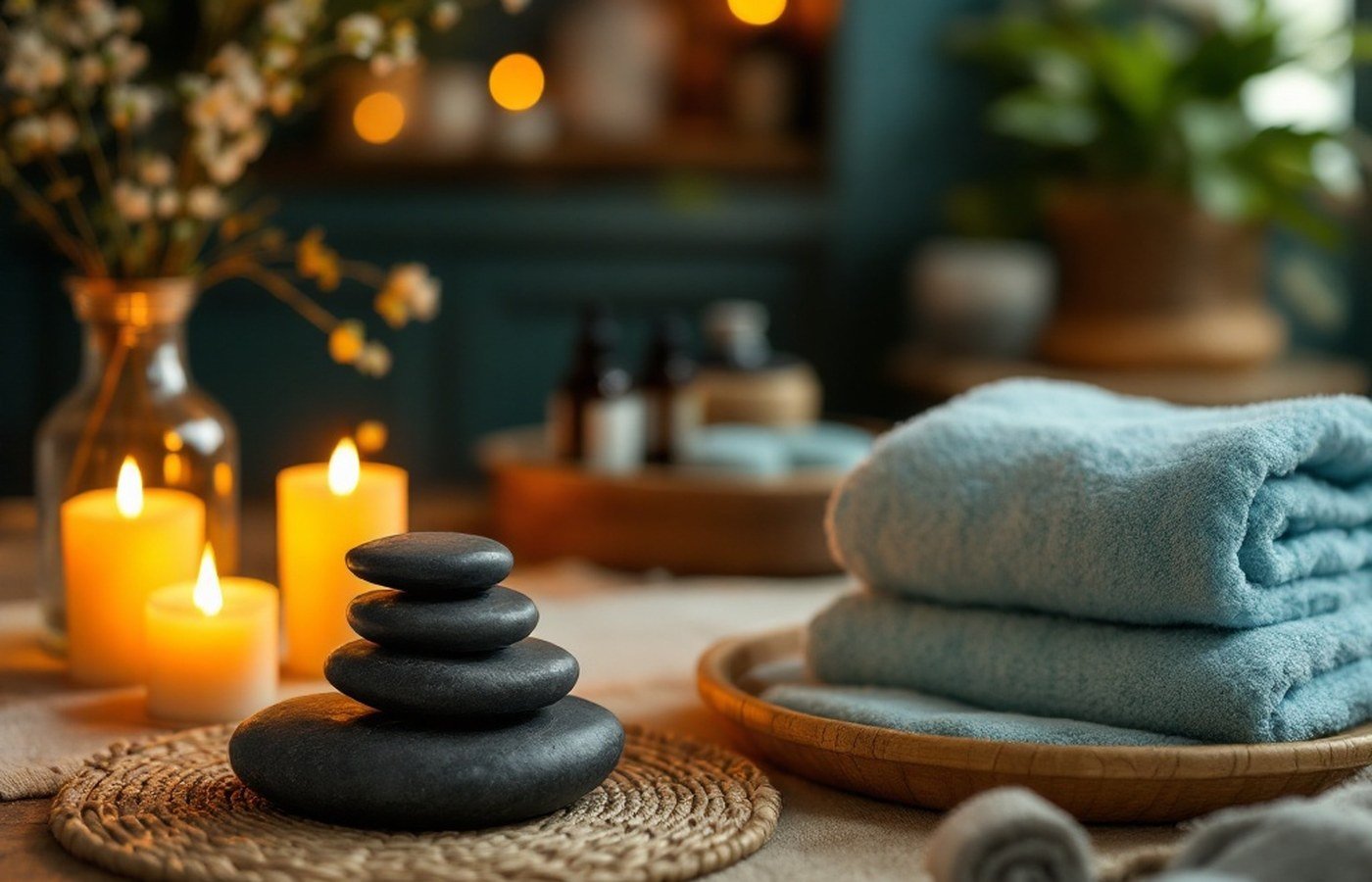
Hot stone massage
Smooth, heated stones are placed on specific points of the body. The technique balances energy levels and relaxes the body’s muscles; your therapist may apply gentle pressure while placing the stones, for your comfort.
Aromatherapy massage
Oils of several scented plants are used to address particular mental health issues — relaxing, stress-reducing and energizing oils, chosen by the therapist for the patient. Lavender oil is used most for these purposes; against stress they are very effective.
Thai massage
By applying gentle pressure on certain points of the body, your therapist helps raise your level of energy. Unlike other therapies, the therapist teaches and encourages you through a series of postures, not unlike yoga, with stretches and compressions woven in. Compared to other massages, Thai massage is the better energizer.
Swedish massage
The therapy most US residents prefer. The therapist applies oil or massage lotion in circular motions to the superficial muscle layer; kneading and smooth strokes are added depending on the severity of the situation and the part being treated. Its deeply relaxing effect makes it widely used against anxiety and depression.
A word before you book
Although people have begun to see massage therapy as one of the most powerful treatment options, educating the public about its benefits is still very much needed. It is not yet a customary part of American culture, and people can be reluctant to discuss their problems with a therapist. Your selected therapist should be friendly enough for you to discuss your issues candidly — and to give you an outstanding result, he or she should also know your medical history. Make certain the therapist you pick holds a certificate for the therapy provided; a good amount of online research is recommended before you take any decision.